If you’ve ever experienced the pain a cavity or root canal can bring, you’re probably wincing right about now. Pain associated with cavities and tooth decay can be excruciating, especially if untreated. Cavities and other restorative dentistry issues require dental fillings to fill the tooth after removing the decay.
If you can remember getting fillings done in the 70s or 80s, you’re probably well aware of what fillings looked like back then; silver amalgam fillings that were easily spotted when someone opened their mouth to eat or speak. They weren’t very discreet and dental fillings have come a long way since then.
Keep reading as we explore dental fillings and discuss the types and uses of older and modern dental fillings.
Why Get Fillings?
Before we discuss the types of dental fillings and their uses, let’s first discuss why it’s important for patients to get fillings. Fillings are important for restorative dentistry and are responsible for repairing cracks, chips, and cavities. Without fillings, teeth would remain chipped or cracked, resulting in more damage without repair.
Likewise, a tooth that has decay would worsen, amplifying severe pain, abscesses would form, and infections could develop that span beyond the tooth. If left untreated, cavities could result in tooth loss. In serious conditions, tooth decay can result in health risks like heart complications.
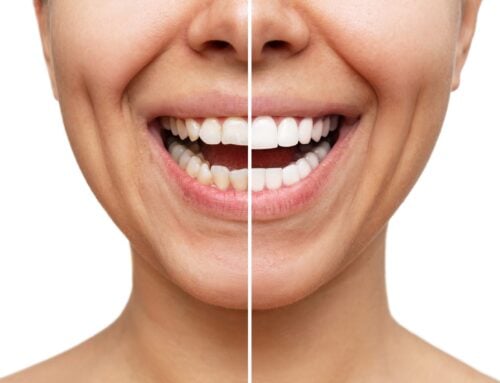
Not only do fillings help restore a tooth after removing the decay of a cavity, but they also improve the appearance of our teeth and smile. When outlay and inlay fillings are applied to the teeth, they can restore the look of the tooth with a chip or crack, improving our smile and gaining back self-confidence.
Types of Dental Fillings
There are many types of dental fillings, also known as cavity fillings, restorative dentistry, and tooth fillings. Below are the different types of dental fillings, organized by category and their use:
Indirect Fillings
Indirect fillings differ from direct fillings because they’re used if a tooth has too much damage for a filling, yet not enough damage required for a dental crown. If the tooth can’t support the weight of a filling, an indirect filling is often used. Below are the types of indirect fillings offered for our patients here at Rhoades Family Dentistry:
Inlays
Teeth have cusps, the part of the tooth responsible for chewing foods. The cusps allow us to chew/break down food and help us grind certain foods and textures. When you have an inlay filling, it’s placed over the grooves in between the cusps. They can cover an entirely different and larger area of the tooth versus a direct filling.
Onlays
Unlike inlays, onlay dental fillings can cover the top and sides of the teeth between the cusps. These types of dental fillings can be placed anywhere around the surface and sides of the teeth.
Veneers
These dental fillings are more involved than onlays and inlays; they are custom-made to cover the tooth. They’re great for restorative dentistry when a patient chips or cracks a tooth, rather than for cavity treatment.
Direct Fillings
Direct fillings are the filling most people think of when they hear the term “filling”. Direct fillings are used for cavity treatment placed inside the tooth where the decay was removed. Dental materials vary, most often direct fillings are made from composite resin or a tooth-colored porcelain.
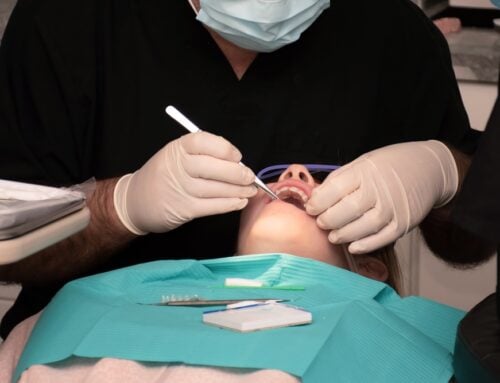
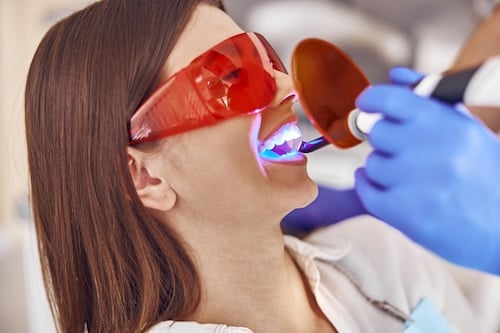
Direct fillings are used after a dentist has removed the decay in a tooth. After removing the decay, a direct filling is placed where the decay was to fill and restore the tooth. It’s a quick process that, in most cases, can be completed in one office visit.
Rhoades Family Dentistry Provides Dental Fillings with Extreme Care
At Rhoades Family Dentistry, we understand getting a filling can be a nerve-wracking process and can fill you with anxiety. There’s a lot to consider, from determining which course of treatment is best for your condition to the costs associated with a filling. We provide several filling options: fillings in tooth-colored porcelain, dental veneers and cosmetic enhancements, cavity treatment, and tooth decay repair.
We understand that cavity treatment, tooth decay repair, and restorative dentistry can cause anxiousness which is why we have several calming techniques to calm the nerves. We’ll calm your dental fears, from our nitrous oxide to our extensive list of entertainment media to distract you during treatment.
If you’re looking for dental care for the entire family, look no further than Rhoades Family Dentistry! We offer the following services and treatments with exceptional care::
- General Dentistry
- Invisalign
- Cosmetic Dentistry
- Dental Implants
- Whitening
- Emergency Dentistry
- Oral Cancer Screenings
Book an appointment today by scrolling up and clicking “BOOK AN APPOINTMENT” on the top left of your screen! Our hygienists and dentists go above and beyond to keep your family safe and comfortable during visits, easing anxiety and offering kind and gentle care. We look forward to serving you by providing excellent senior dental care!