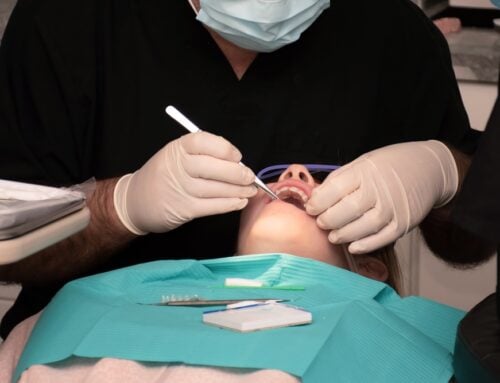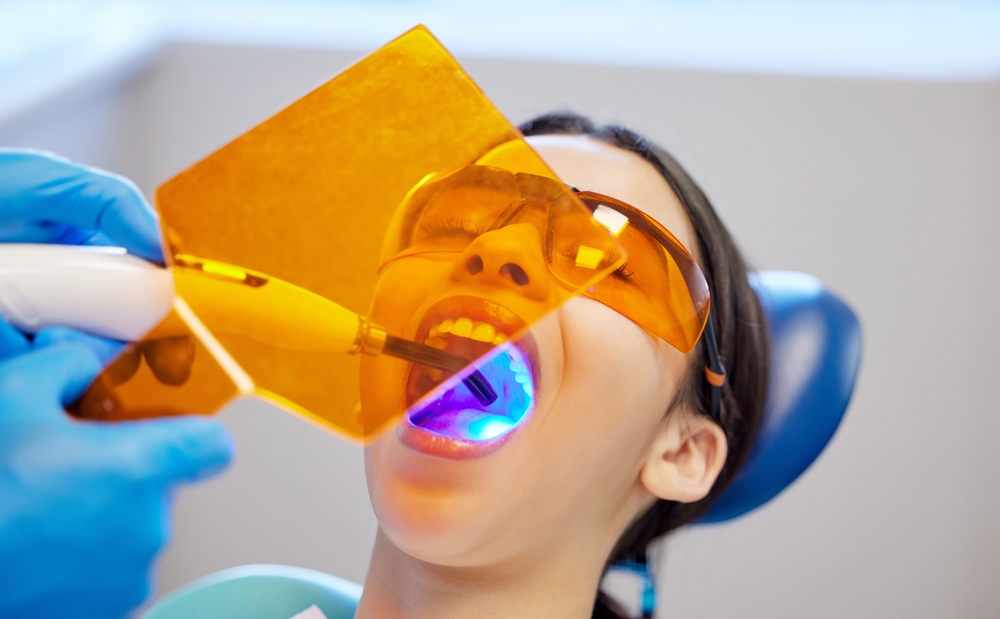
Are you among the 175 million Americans who got a new filling in 2025? If so, you’re familiar with the process, including the novocaine, placing the filling, and how to care for your filling after the procedure. Dental fillings should last a while; ideally, they last a decade before it’s time to replace them. However, some patients may need to replace that filling sooner than they’d like, depending on their oral hygiene routine and other factors.
Have you ever wondered how long that new filling will last? Will it need to be replaced within a few years? Or will it last decades or a lifetime? Continue reading to learn how long dental fillings last and some tips for extending their lifespan.
How Long Do Dental Fillings Last?
Wondering how long that newly placed or older filling will last? How long dental fillings last depends on a few factors: the filling material, oral hygiene, and an individual’s overall dental health. Below is a general guide on how long you can expect your dental filling to last based on the following factors:
Dental Filling Material
Gone are the days when dental fillings were all made from silver. While silver amalgam was the most common dental filling material in the 70s or 80s, preferred for its durability and affordability, it’s no longer the preferred dental filling material. Other dental filling materials have emerged: gold, porcelain, glass ionomer, and composite resin.
All dental materials have varying durability, affecting a filling’s lifespan. While other factors affect how long dental fillings last, each material has an estimated lifespan based on the material’s durability. Silver fillings often last anywhere from 10 to 15 years, while gold fillings often last anywhere from 15 to 30 years. Porcelain lasts on average 10-15 years, while composite resin fillings last around 5-10 years.
Type of Filling
Another factor that affects how long dental fillings last is the type of filling. Some front teeth require fillings, while cusps, or the tops of teeth, will need to be filled. Patients receive either an indirect or direct filling, and they vary in longevity. Indirect fillings are placed when a tooth is severely damaged for a filling, yet isn’t damaged enough to justify placing a dental crown. On the contrary, direct fillings are the most common type of filling, placed inside the tooth where decay was removed.
Direct fillings can last a decade or longer, but they typically don’t last as long as indirect fillings. Because direct fillings are placed directly on the tooth, they wear down more easily than indirect fillings. Because indirect fillings are designed for overlays or onlays, they often last longer and are stronger than direct fillings.
Oral Hygiene
If you implement an excellent oral hygiene routine, your dental fillings will last a lot longer than those of someone who doesn’t practice great oral hygiene. Though they’re not your actual teeth, dental fillings still require proper brushing and flossing to remove plaque. If you’re not brushing at least twice a day and flossing regularly, your dental filling will wear down more quickly, requiring replacement sooner.
Diet
Diet is another factor that can affect the lifespan of your dental fillings. Those who consume a healthy diet rich in vitamins, minerals, and whole foods generally have better oral hygiene than those who consume an unhealthy diet. Just like gum health and diet, a poor diet can wear down a filling much faster.
Habits
Fillings can also wear down faster due to some habits, such as grinding, clenching, and smoking. Like diet and gum health, smoking and oral health are linked, and tobacco can stain the fillings and break down the material. Likewise, teeth grinding can wear down the material, weakening the surface of the filling.
How to Extend the Life of Your Dental Fillings
Extending the life of your fillings saves you money, keeps them from being replaced sooner rather than later, and can ease symptoms of dental anxiety. Below are some ways you can extend the life of your dental fillings:
- Care for your teeth by maintaining excellent oral hygiene
- Consume a healthy diet rich in vitamins, minerals, and whole foods
- Limit sugary and acidic foods and drinks
- Wear a mouthguard if you grind/clench your teeth
- Visit your family dentist for routine cleanings and exams
Following the above tips will help extend the life of your dental fillings, preventing an early filling replacement. Scheduling your dental exams and cleanings every six months is an excellent way for your dentist to monitor the condition of your filling; they can determine whether it’s worn down and needs replacing.
Extend the Life of Your Fillings with Help from Rhoades Family Dentistry
Our experienced dental team at Rhoades Family Dentistry is ready to help you extend the life of your fillings. Our skilled dentists and hygienists have completed extensive education and hands-on training in a wide range of dental procedures, including fillings. Dr. Hahn and Dr. Driscoll stay actively involved in leading professional organizations such as the American Dental Association, the Academy of General Dentistry, and the International Association of Orthodontics.
Rhoades Family Dentistry proudly provides comprehensive dental services for patients of all ages. From routine exams and preventive care to restorative treatments like fillings, our office supports your family’s long-term oral health. They also offer orthodontic solutions such as Invisalign and traditional braces, along with cosmetic dentistry, dental implants, teeth whitening, and more.
Ready to schedule your visit? Simply click the “Book an Appointment” button at the top left of your screen or call (913) 782-8900 to get started. Our team looks forward to caring for your family and helping you achieve strong, healthy smiles for years to come.