Flashback forty years ago and you’d see people smoking cigarettes in the workplace, on airplanes, and in nearly every public place. Smoking was a casual and social thing for many adults up until the 1970s when restrictions and laws were set in place. Smoking bans started in the ‘70s when the U.S. began discovering the negative effects of tobacco use. The first smoking restrictions started in government buildings, airplanes, and public places.
Fast forward to 2024 when fewer Americans are picking up cigarettes and opting for vapers and more smoking policies are in place. Though the percentage of Americans who use tobacco has decreased from nearly half the population in the 1950s to now just 12% of U.S. adults who currently smoke, it’s still a dangerous habit that has adverse effects on an individual’s health.
There have been many myths about smoking and oral health throughout the years. If you’re a current or past smoker or have a loved one who smokes, you’re probably curious about the impacts of smoking and dental health. Keep reading as we unmask the truth behind smoking and oral health.
Smoking and Oral Health Myths & Facts
Myths exist for everything, smoking and oral health included. Below are some common smoking and oral health myths and facts:
Myth: The only risk with smoking is that my teeth will turn yellow.
Fact: Smoking comes with plenty of oral health risks.
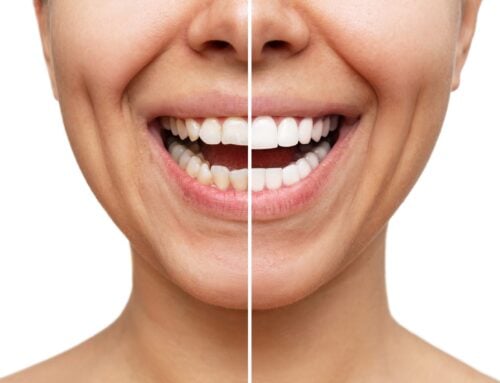
Growing up, you were probably warned by parents and teachers that smoking will yellow your teeth. Though that’s correct, there are plenty of other oral health risks associated with smoking. Smoking’s effects on teeth are vast, causing discoloration among other things, including increased risk of tooth decay, bad breath, gum disease, weakened enamel, increased risk of oral cancer, and more.
Myth: Only chewing tobacco is harmful to my teeth, and cigarettes and vaping aren’t.
Fact: All tobacco use negatively impacts your oral health.
It wasn’t until the 70s that we discovered how harmful smoking can be. A common myth was that only chewing tobacco is dangerous because it directly touches your teeth while cigarette smoke and vapers are inhaled. While chewing tobacco can get lodged between teeth and the gumline, all forms of tobacco are harmful. Whether cigarettes, vaping, or chewing tobacco, they all cause oral health issues.
Myth: Tobacco use doesn’t increase my chance of oral cancer.
Fact: Tobacco use does increase the risk of oral cancer.
Though those who have a family history of cancer have an increased risk of developing it, those who engage in tobacco use also increase their chances. We already know that smoking can cause lung cancer, but did you know it increases your risk of developing oral cancer? Those who smoke are 10 times more likely to develop oral cancer than those who don’t smoke.
Myth: Vaping is better than cigarettes and chewing tobacco for my oral health.
Fact: Vaping is also harmful to your oral health.
Perhaps one of the more common myths heard today is that vaping is safe for oral health and that only cigarettes or chewing tobacco can harm teeth and gums. While some vapes don’t contain tobacco, they can still cause severe damage to your enamel and gums. Propylene glycol and vegetable glycerine are found in nearly all vapers and both can eat away at tooth enamel and cause gum disease. Vaping can still cause mouth sores, periodontal disease, loose teeth or tooth loss, and more.
Myth: It’s too late to quit smoking.
Fact: It’s never too late to quit smoking.
Many people think they might as well continue smoking because the damage is done and it’s too late to correct smoking effects on teeth. While the fact remains that the longer you engage in tobacco use, whether you use chewing tobacco, cigarettes, or vape, the more damage is done to your teeth. However, you can help reverse the negative impacts of tobacco and oral health by quitting. Though long-term smoking affects your teeth more than short-term tobacco use, a combination of quitting now and seeking professional help from a local dentist can help you reverse some of the damage smoking has done to your teeth.
Smoking cessation and oral benefits can help reverse the damage caused by tobacco use. There are many resources to help you quit smoking like nicotine replacement therapy, adopting a workout routine, making a list of reasons why you want to stop smoking, and more. Quitting smoking for dental health is never too late and highly encouraged.
If you are a current or past smoker and have concerns about your teeth, Rhoades Family Dentistry offers services and treatments with exceptional care for all patients:
- General Dentistry
- Invisalign
- Cosmetic Dentistry
- Dental Implants
- Whitening
- Emergency Dentistry
- Oral Cancer Screenings
Book an appointment today by scrolling up and clicking “BOOK AN APPOINTMENT” on the top left of your screen! Our hygienists and dentists go above and beyond to keep your family safe and comfortable during visits, easing anxiety and offering kind and gentle care. We look forward to serving you by providing excellent dental care!