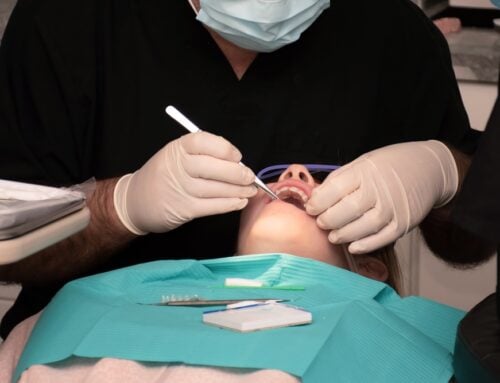
American pop culture is rife with misinformation about root canals. This may be in part because root canal techniques and effective anesthesia options have improved dramatically over the years, or we may be able to chalk it all up to the Hollywoodization of dentistry. Whatever the reason, we’re here to dispel common root canal misconceptions and ease your worries about whether this tooth-saving treatment is right for you.
What is a Root Canal Procedure?
Contrary to popular assumption, teeth are composed of more than just the hard white enamel you see on the outside. The inside of your teeth consists of a hard layer called dentin and a soft inner tissue called pulp. This pulp can become inflamed, infected, or both. This can lead to significant pain or discomfort as the ligament at the base of the tooth grows inflamed or an abscess forms.
A root canal, also known as endodontic therapy, is a tooth-saving treatment that removes the inflamed or infected pulp inside of a tooth. After the affected pulp is removed, the area is cleaned, disinfected, filled, and sealed to strengthen the newly repaired tooth.
Common Root Canal Misconceptions
While understanding exactly what happens during a root canal is helpful, you may still have some assumptions that have you concerned about scheduling a root canal procedure. No matter what you’ve heard through the grapevine or seen on television, here are five common misconceptions about root canals and the results of this tooth-saving treatment:
Myth #1: Root Canal Treatments are Painful
Anxiety about dental procedures is perfectly understandable. But rest assured that a root canal is a very standard, simple treatment! While historically root canals may have been unpleasant and even taken multiple appointments to perform in full, nowadays we can manage this treatment quickly and painlessly. Our improved vision and precision technology enable us to thoroughly remove all affected pulp in a single appointment, and modern anesthesia options ensure you won’t feel a thing.
Myth #2: Pulling Teeth is a Better Option
You may be wondering, “Why go to the trouble of taking out part of a tooth and filling it? Wouldn’t it be better to just pull the infected tooth?” Short answer? No!
It is always better to preserve and repair original teeth when possible, only resorting to dental implants or other permanent tooth replacement options when the original tooth cannot be salvaged.
Pulling a tooth and replacing it may sound easier, but in reality, it’s a much longer process that involves greater after-care and expense. When in doubt, opt for a tooth-saving treatment like a root canal!
Myth #3: You Don’t Need a Root Canal If Your Teeth Don’t Hurt
Inflamed or infected pulp can become quite painful if an abscess forms or the inflammation spreads through the base of the tooth, but you may have irritated pulp and feel nothing at all. Regular dental checkups are important for catching these inflammations and infections before they become unbearable, and your dentist will be able to identify when a root canal is necessary long before you start to feel it.
Myth #4: Root Canals Can Make You Sick
If you’ve ever heard the rumor that root canals can make you sick or more susceptible to illness, trust us when we say this is not the case! This myth comes from an outdated and debunked study, so there is no actual scientific evidence that root canals are in any way connected to illness.
To further reassure you, there is some research that suggests patients who have had multiple endodontic treatments like root canals are at a 45 percent reduced risk of cancer!
Myth #5: Root Canals Are Temporary
Root canals permanently repair infected or inflamed teeth. About two to three weeks after a root canal treatment (which usually involves a temporary filling), you may need to return for a more permanent restoration like a crown or porcelain onlay. But as far as the infected or inflamed pulp is concerned, a root canal effectively resolves the issue.
Your tooth may be more brittle following a root canal treatment, but the only occurrence that may require additional professional care is if the crown breaks. In this case, the crown simply needs to be restored and your tooth will be as good as new once again!
Root Canal Recovery Tips
Once your root canal is complete, recovery is relatively easy! Numbness from anesthesia should go away within a few hours, and most patients feel ready to return to their daily activities right after the procedure is complete. To ensure the best possible outcome following your endodontic therapy, here are a few quick root canal recovery tips:
- Avoid eating until the numbness has fully subsided
- Get plenty of rest so your body can heal
- Gargle warm salt water to protect your gums and ease swelling
- Eat non-chunky, nut-free ice cream to soothe inflammation (but don’t forget to brush your teeth gently afterward)
- Avoid hot beverages, smoking, alcohol, and hard or sticky foods
- Take over-the-counter pain medication as needed
Let’s Get to the Root of Your Dental Woes!
If you’re experiencing tooth sensitivity, a root canal may be what you need—or it may not! The best thing to do is be seen by a dentist who can inspect your teeth and gums and determine the right course of action to protect your teeth and ease your discomfort. If you’re looking for a family dentist in the Olathe, KS area, contact us at Rhoades Family Dentistry to learn how we can help! If you’re ready to book your appointment, just scroll up and click the “Book an Appointment” button in the top left of your browser. We can’t wait to see you and your beautiful teeth!