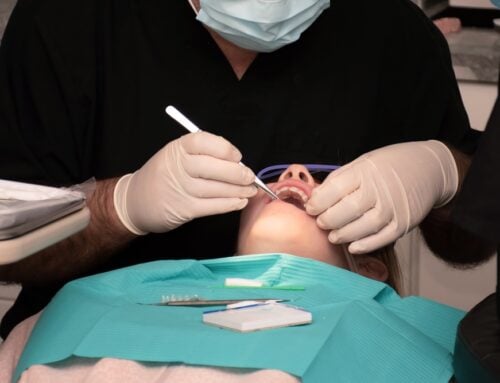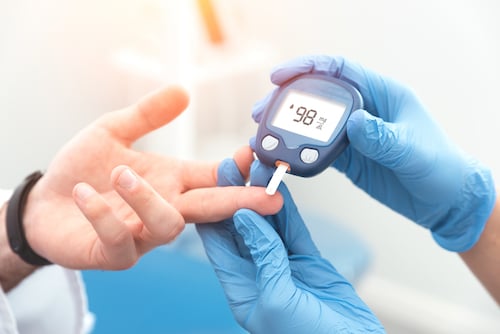
Diabetes and oral health are closely connected, as both are impacted by high blood sugar. Oral complications are more likely when blood sugar is not properly managed, just as diabetes can lead to complications with major organs like the eyes and heart.
If you have received a diabetes diagnosis and are concerned about diabetes-related dental problems, here’s what you should know:
How Diabetes Affects Oral Health
It’s important first to note that what makes diabetes harmful to oral health is poor diabetes management. If you take care to regulate your blood sugar and practice good oral hygiene habits, you should be at no greater risk of cavities or dental problems than anyone else. That said, unmanaged diabetes can lead to greater tooth decay and risk of oral health complications because of the heightened glucose in saliva. So when it comes to the link between diabetes and oral health, it’s important to pay attention.
The jury is out on whether proper diabetes management is ultimately good or bad for your teeth, as it often involves eating less high-sugar foods that could cause cavities, yet also requires eating multiple small meals throughout the day, which may increase the chances of bacterial growth.
Diabetes-related Dental Problems
Keeping blood sugar levels perfect at all times is no easy feat, so it’s good to keep in mind the possible dental problems that are more likely to occur in those with diabetes. If you have diabetes, you are at an increased risk for the following oral health complications:
Dry Mouth
A common symptom of unmanaged diabetes is decreased saliva production, inevitably leading to dry mouth. While no one enjoys the feeling of a dried-out mouth when they wake up in the morning, this can become a greater issue if allowed to develop into ulcers, infections, and even tooth decay. Saliva is essential for remineralization, a vital process of tooth enamel repair. A hydrated mouth is a happy mouth!
Weak Oral Tissues
Diabetes weakens oral tissues, making the healing process after oral treatments, procedures, or surgeries longer and more involved. This is because diabetes impedes blood flow to oral tissues, giving them less to work with when in recovery.
Periodontal Disease
Adults over the age of 65 are already more likely to develop periodontal disease, a statistic not helped by the fact that diabetes also increases the risk of this unpleasant gum disease. Periodontal disease first manifests as red, swollen, or bleeding gums (gingivitis) but it can lead to worse problems like the gums pulling away from your teeth if not treated. Even with a pristine oral health care routine, periodontal disease and diabetes are closely linked, as irregular glucose levels can more than triple your chances of developing gum disease.
Thrush
Those with diabetes are more prone to infection, which means frequent use of antibiotics. While antibiotics like amoxicillin are great for battling infections and bacterial illnesses, they also kill off a lot of good bacteria in your body, especially your mouth. Without the good bacteria to protect your mouth and tongue, you’re more likely to develop a fungal infection known as thrush, which flourishes in the high-sugar environment.
If thrush is allowed to develop in your mouth, it may lead to further pain and discomfort with burning mouth syndrome (BMS) on your tongue, lips, the roof of your mouth, or even your throat.
Oral Health and Diabetes Management Tips
Just like diabetes is manageable with the right diet and medical support, your oral health can stay strong with proper management. Here are five oral health and diabetes management tips to keep your teeth shining and mouth healthy:
1. Monitor Your Blood Sugar
You’ve probably already picked up on this: “unmanaged diabetes” leads to a higher risk of oral complications, and that’s why good blood sugar management is the best protection for your oral health! Stay on top of your glycosylated hemoglobin (HgA1C) level and be aware of your risk for both high and low blood sugar (an insulin reaction).
2. Tell Your Dentist You Have Diabetes
Make sure your dentist is aware of your diabetic condition, as well as the current state of your blood sugar. By telling us when you last took a dose of insulin and whether you are currently experiencing high blood sugar or an insulin reaction, we can better recommend treatments and care for your oral health. Some treatments may need to wait until your blood sugar returns to normal.
3. Talk to Doctor Before Oral Procedures and Treatments
In addition to keeping your dentist informed, you should tell your doctor about any planned oral procedures or treatments and make sure they are in contact with your dentist. If your oral procedure requires changes to your meal schedule or insulin dosage timing, for instance, you’ll need to make sure your doctor is aware and able to help you create a safe pre-care and aftercare plan.
4. Prioritize Post-treatment Care
People with diabetes typically take longer to heal after surgeries and oral procedures are no different! Your gums and oral tissues will need more time and attentive care to heal successfully, so follow your dentist’s aftercare plan closely and for as long as it takes to restore your oral health to its former well-being!
5. Take Care of Your Oral Health!
Finally, just take good care of your oral health. Caring for teeth is important for everyone, and tasks like brushing with a soft-bristled toothbrush and flossing every day can go a long way toward protecting you from tooth decay. You should also see your dentist regularly—at least twice a year, but more if recommended by your dentist or doctor.
Let’s Give Your Oral Health a Check-up!
Whether or not you have diabetes, your oral health matters! From the very first baby teeth to well-seasoned adult teeth, we at Rhoades Family Dentistry are happy to provide community oral health care and education at every opportunity. Scroll up and click the “book an appointment” button in the top left corner to schedule your visit, or contact us to learn more about the dental services we offer!