At some point in your life, you’ve heard from either a doctor, family member, or a commercial that your oral health affects the rest of your body, often determining if you develop a chronic illness or disease if you have poor oral hygiene. Nearly everyone’s heard that oral health is directly related to heart health, but do you know the connection?
Keep reading as we discuss the connection between heart health and oral health to understand how oral and cardiovascular health are linked and how to prevent oral infections and heart problems.
Link Between Oral Infections and Heart Problems
Having great oral hygiene does more than just freshen your breath and prevent cavities; excellent oral hygiene can reduce your chances of developing heart problems and other complications. But how, and why do our teeth and gums affect our health, especially our hearts, two parts of the body that aren’t even connected?
There’s tons of research on the link between oral infections and heart problems from great resources like Harvard Health Publishing from Harvard Medical School, the National Institutes of Health (NIH), and Colgate. Research has shown that those with periodontal disease have an increased risk of developing heart disease.
This increased risk of developing heart disease is a result of the bacteria with periodontal disease (AKA gum disease) found on the gums and between the teeth. Bacteria and other things can be absorbed into your bloodstream, reaching your heart and other organs. Bacteria in the bloodstream can increase your risk of developing many illnesses and conditions, including heart disease. When periodontal disease goes untreated, bacteria multiply and affect other body parts as it travels through the bloodstream.
Who is at Risk of Developing Heart Problems?
Anyone with a family history of heart disease and other cardiovascular conditions is at risk of developing heart problems. Genetics plays a large role in your risk of developing heart disease, including genes inherited from your parents, genetic disorders, and sharing an environment with family members who have heart disease (i.e. consuming the same foods, limiting brushing and flossing habits, etc.)
Others who are at risk of developing heart problems include those who are/have:
- Overweight
- Smokers
- Hypercholesterolemia (high cholesterol)
- Older than 45
- Consume large amounts of alcohol
- Gum disease
Of course, everyone is different, and having one or more of these conditions doesn’t mean you will develop heart disease. Luckily, most of these conditions or habits above can be managed, greatly reducing your risk of developing heart disease. Oral health and cardiovascular health are linked, but staying on top of cleanings and maintaining excellent oral health habits is a great way to be proactive about reducing your risk of heart disease.
Preventing Heart Issues Through Oral Care
Though there’s a link between oral infections and heart problems, most oral conditions, diseases, and infections can be reversed, greatly reducing your risk of developing heart disease. Below are some oral hygiene for heart health tips that can help prevent heart issues through oral care:
Brush & Floss Regularly
When was the last time you flossed? If you can’t remember because it’s been so long or you think it’s been a little over a week or a month since your last flossing, it’s time to be more proactive about flossing regularly. Brushing twice a day for two minutes with fluoride toothpaste is recommended by the American Dental Association (ADA) to reduce your risk of developing gingivitis and gum disease. The ADA also recommends you floss once daily to remove food and plaque between the teeth that brushing alone can’t get.
Consume a Healthy Diet
There’s a direct link between gum health and diet, with plenty of research that has found a diet with whole foods, vegetables, and fruits low in sugar can lead to a healthier body and a fitter physical appearance, and the same goes for healthier gums. Avoiding sticky and chewy foods and drinks high in sugar, and starchy foods while opting for great foods that lead to healthier gums like berries, beans, cheese, and low-sugar yogurt improves gum health. Again, heart disease and gum disease are linked. Therefore, a healthy diet can reduce your risk of heart disease.
Schedule Cleanings
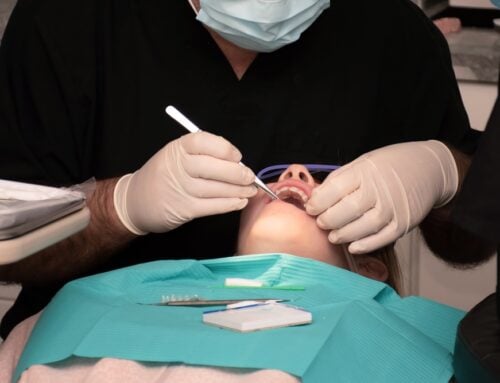
Getting routine cleanings can reduce your chance of developing gingivitis and gum disease. Getting regular cleanings helps maintain better oral hygiene, and allows your dentist to check your gums and check for warning signs of gum disease. Be sure to schedule your cleanings every six months to help prevent heart issues through oral care.
Trust Rhoades Family Dentistry with your Oral Health
Whether you’re due for a cleaning or dental X-rays, have a family history of heart disease, or have oral health concerns, trust Rhoades Family Dentistry for your dental care. We provide all dental services and treatments including general dentistry, cosmetic dentistry, emergency dentistry, dental implants, and more. We can help you maintain your oral health by scheduling a cleaning, preventative maintenance, and cavity prevention to reduce your chance of developing heart disease.
If you need dental care for the entire family, Rhoades Family Dentistry would love to be your family dentist! We’re family-owned and operated with a team of dedicated professionals who are members of the American Dental Association, American Association of Pediatric Dentistry, and many other dental associations. Our staff has undergone extensive training to provide all our patients with the best dental care.
Book an appointment today by scrolling up and clicking “BOOK AN APPOINTMENT” on the top left of your screen or by calling (913) 782-8900. We look forward to serving you by providing excellent dental care and giving your family healthy smiles!