Teeth grinding, also known as bruxism, is relatively common in young children. As many as 50% of children experience an involuntary grinding habit at night. While the likelihood of bruxism in adults is much lower—closer to 11%—it is still a condition that requires attention and treatment to protect the teeth.
Here is everything you should know about bruxism causes, symptoms, and teeth grinding treatment options:
What is Bruxism, and Why is it Bad?
Bruxism is involuntary teeth grinding that occurs when the masticatory muscles responsible for the chewing move and clench, pressing the upper and lower teeth together and sliding or grinding them against each other. While it can occur when a person is either asleep or awake, sleep bruxism is much harder to diagnose because you may not notice it happening.
Did you know? When you grind your teeth (involuntarily or not!) you can exert up to 600 pounds of pure force! It’s impressive that your teeth don’t shatter under all that pressure—thank goodness for strong bones! But that doesn’t mean your teeth are safe while experiencing teeth grinding. Bruxism can jeopardize the health of your teeth and jaw if left untreated.
Undiagnosed and untreated bruxism can lead to tooth pain and erosion. Teeth grinding can wear away at your teeth along with any dental crowns, fillings, or implants. Bruxism may also lead to temporomandibular joint (TMJ) issues, damaging the joint connecting your lower jaw to your skull. The consequences of this damage may include:
- Difficulty chewing
- Chronic jaw pain
- Popping or clicking noises in the jaw
- Lockjaw
- And many other jaw and mouth complications
Symptom extremity varies from person to person depending on tooth grinding severity, tooth alignment, diet, and the existence of other conditions that may damage teeth, like GERD or even pregnancy.
What Causes Bruxism?
Although age isn’t a “cause” of bruxism, the condition is much more common in children and teenagers, though most grow out of the habit by adulthood. Other common causes of bruxism include:
- Stress and anxiety
- Sleep problems (snoring, sleep apnea)
- Medications (some antidepressants, amphetamines, and anti-psychotics)
- And addictive habits like smoking, drinking, significant caffeine consumption, and drugs like ecstasy or cocaine.
Stress and teeth grinding are the most clearly linked of the different causes, accounting for the majority of bruxism in adults.
Bruxism Symptoms and Signs of Teeth Grinding
Particularly with sleep bruxism, the condition can go undiagnosed until tooth damage has occurred and a family dentist can identify the cause. Here are some signs of teeth grinding that dentists look for:
- Cracked tooth enamel
- Excessive wear on teeth
- Broken teeth, fillings, crowns, or implants
- Strain on the jaw joint (TMJ)
- Lost adult teeth
- Enlarged jaw muscles
While many of these bruxism symptoms may only be noticeable to a dental professional, there are many other symptoms you can self-identify, such as:
- Headaches or ear pain with no other identifiable cause
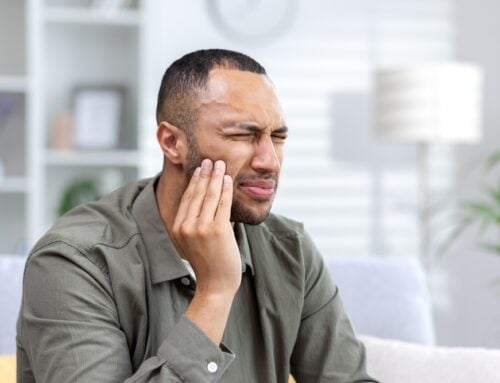
- Jaw joint pain
- Limited jaw mobility
- Aching teeth (especially when waking up in the morning)
- Sore or stiff facial muscles after waking up
- Stiffness in the jaw while chewing (especially during breakfast)
- Clenching your jaw when angry, anxious, or intensely focused
- Tooth sensitivity to hot or cold
- Tooth indentations on the tongue
- Loose teeth
- Chewing the inside of your cheek (often leading to raised, sore tissue)
- Sore jaw muscles
If you consistently notice any of the above discomforts and suspect teeth grinding as the cause, make an appointment with your dentist right away to have your teeth inspected and discuss treatment options! Teeth grinding is not a dental emergency, but it should be treated right away.
What Are My Teeth Grinding Treatment Options?
Fortunately for the jaw-clenchers among us, many treatment options are available to help manage or reduce symptoms of bruxism. Custom night guards and dental splints can prevent grinding from happening in the first place, but the best treatment is assessing and reducing risk factors:
Dental Problems and Teeth Grinding
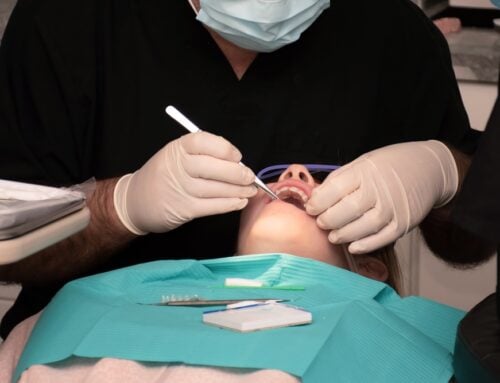
In most cases of bruxism, the first step should always be to visit your dentist. A dental professional will be the most well-equipped to repair damaged teeth and rule out other causes of tooth wear and decay before confirming bruxism as the root issue.
Sleep-related Teeth Grinding
If your teeth grinding is related to sleep-disordered breathing, for example, then you should talk to your doctor about seeing a sleep specialist. Significant sleep issues like obstructive sleep apnea should be treated regardless for the sake of your overall health and well-being, not to mention your teeth!
Stress and Teeth Grinding
Stress and anxiety may be the most likely causes of bruxism, but they are also the most manageable with the right routines and support! Here are some things you can do to reduce stress and relax those jaw muscles:
- Stress management therapy
- Cognitive behavioral therapy
- Exercise regularly
- Get enough sleep
- Eat a balanced diet
- Practice relaxation techniques, especially concerning releasing tension from your face and jaw muscles
Break Out of Bruxism with a Little Help from Rhoades!
Life can be stressful, but that’s no reason to let your teeth take the brunt of it all! Give your jaw the tender care it deserves—contact Rhoades Family Dentistry today to schedule your dental appointment and learn how you can let go of bruxism for good.