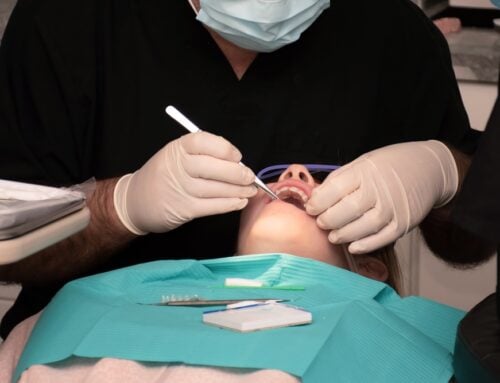
If you have sensitive gums, you understand how painful and exhausting it can be to find remedies that provide long-lasting relief. If you have a family member or loved one with sensitive gums, you’ve witnessed second-hand how they wince in pain or avoid certain foods or drinks depending on their sensitivity level. If you do suffer from sensitive gums, you’re among millions who have the same issue.
Did you know that millions of U.S. adults have sensitive gums, most commonly associated with periodontal disease? Though it’s not the only cause of gum sensitivity, it’s a widely diagnosed condition, affecting 47% of U.S. adults. If you do have sensitive gums, don’t go about it in secrecy – some causes and remedies can help provide relief. Keep reading to learn more!
What is Gum Sensitivity?
Gum sensitivity is tenderness or pain in the gums or along the gumline when drinking certain beverages, eating certain foods, flossing, or brushing. The pain level varies from mild to severe, often causing people to wince, yelp, or avoid certain triggers.
Many factors can cause gum sensitivity, so it’s crucial to determine what’s causing yours to discover effective treatment or remedies. It’s important to understand what causes gum sensitivity so you can find lasting relief that results in better oral health for all patients.
Causes of Gum Sensitivity
Gum sensitivity isn’t a one-size-fits-all approach. Rather, there are many different causes why you may experience bleeding gums or tenderness. Below are some of the most common causes of gum sensitivity:
Periodontal Disease (Gum Disease)
Anyone can develop periodontal disease, regardless of whether they have a family history. Plaque that builds up daily can harden into tartar, leading to gum disease. As periodontal disease progresses, it can expose the tooth roots, causing severe sensitivity when brushing, flossing, or consuming hot, cold, or sugary foods and drinks.
Vigorous Brushing
Remember when your parent, guardian, or dentist would remind you not to brush hard as a kid? That’s because, while it might seem like brushing aggressively would help remove plaque and tartar, it wears down the enamel on your teeth. Not only can this lead to tooth sensitivity, but it can also contribute to the development of periodontal disease.
Foods & Drinks
You know the old saying that “you are what you eat”? When it comes to gum sensitivity, what you eat plays a role in your gum’s sensitivity. Consuming a healthy diet rich in vegetables, fruits, and foods packed with vitamins and minerals reduces the risk of gum sensitivity. However, a diet full of unhealthy foods can cause gum disease and sensitivity, causing those painful winces.
Medications
Have you ever read the warning label or side effects of your medication to discover oral health issues listed as a possible side effect? According to the National Library of Medicine, some over-the-counter and prescription medications cause oral side effects. Those taking medications may experience dry mouth, inflammation, or bleeding gums.
Tobacco Use
There are plenty of smoking and oral health myths and facts, but one certainty is that tobacco use negatively impacts your oral health and can cause sensitive gums. Whether smoking, vaping, or chewing tobacco, they all cause oral health issues thanks to the chemicals that cause sensitivity, including: nicotine, tar, formaldehyde, carbon monoxide, ammonia, and more. Fortunately, it’s never too late to quit smoking, and you can help reverse the negative impacts of tobacco by quitting.
Hormonal Changes
Pregnant or nursing women or women experiencing menopausal symptoms may experience inflammation and increased sensitivity in their gums. Hormonal changes can increase blood flow, leading to sensitive and inflamed gums.
Remedies for Gum Sensitivity
Gum sensitivity can be extremely uncomfortable, causing twinges of pain and the avoidance of certain foods and drinks. However, there are some sensitive gum remedies to alleviate symptoms. Below are some remedies for gum sensitivity so you can be more comfortable:
- Switch to a soft-bristled toothbrush for sensitive gums
- Switch to a toothpaste made for sensitive gums/teeth that can calm gums
- Avoid mouthwashes that contain alcohol, as it harms sensitive gum tissue
- Keep hydrated to flush out bacteria and keep your mouth moist; a moist mouth reduces sensitivity
- Brush and floss daily to remove irritating plaque that can increase sensitivity
- Consider using a night guard to prevent bruxism, or teeth grinding
Depending on the severity of your gum sensitivity, your dentist may recommend some prescription remedies or desensitizing treatments. Speak with your family dentist about remedies for gum sensitivity, especially if it’s severe or long-lasting.
Rhoades Family Dentistry Can Help with Sensitive Gum Remedies
Rhoades Family Dentistry offers dental care for the entire family, including routine cleanings, whitening, fillings, sensitive gum remedies, and more. Dr. Hahn and Dr. Driscoll care about your family’s oral health and are here to help recommend the best type of sensitive gum remedies for your specific needs and sensitivity level. Our team will help determine whether you should implement natural or prescription-strength remedies or desensitizing treatments.
Book an appointment today by scrolling up and clicking “BOOK AN APPOINTMENT” on the top left of your screen or by calling (913) 782-8900. We look forward to serving you by providing excellent dental care and giving your family healthy smiles!