Root canals are among the top treatments that patients are nervous about. In fact, multiple clinical studies show that roughly 75% of patients state their most feared dental procedure as root canal treatment, with 21% of patients having severe anxiety over a root canal procedure. At Rhoades Family Dentistry, we understand the fear surrounding root canals; it can be daunting if you don’t know what to expect. We’re here to banish those fears by reviewing the entire root canal procedure and what to expect after treatment so you can be fully prepared.
What is a Root Canal?
There are many root canal myths, all of which are misinformation. Chalk it up to the Hollywoodization of dentistry or myths you’ve heard, but one thing is true: root canals are associated with misconceptions that instill fear in patients.
To better understand root canals, let’s discuss what a root canal procedure is. While teeth appear to be made of just one solid surface, they have several layers: enamel, dentin, and pulp. The first layer, enamel, is the hard, outermost layer made of calcium phosphate. The second layer is dentin, which surrounds the innermost part of the tooth called the pulp.
The pulp contains sensitive tissue and can become irritated or infected due to tooth decay, injury, or other dental problems. When the pulp is irritated or infected, inflammation can affect the tissues surrounding the tooth, causing persistent pain, sensitivity, or the development of an abscess. A root canal treats these problems while preserving the natural tooth.
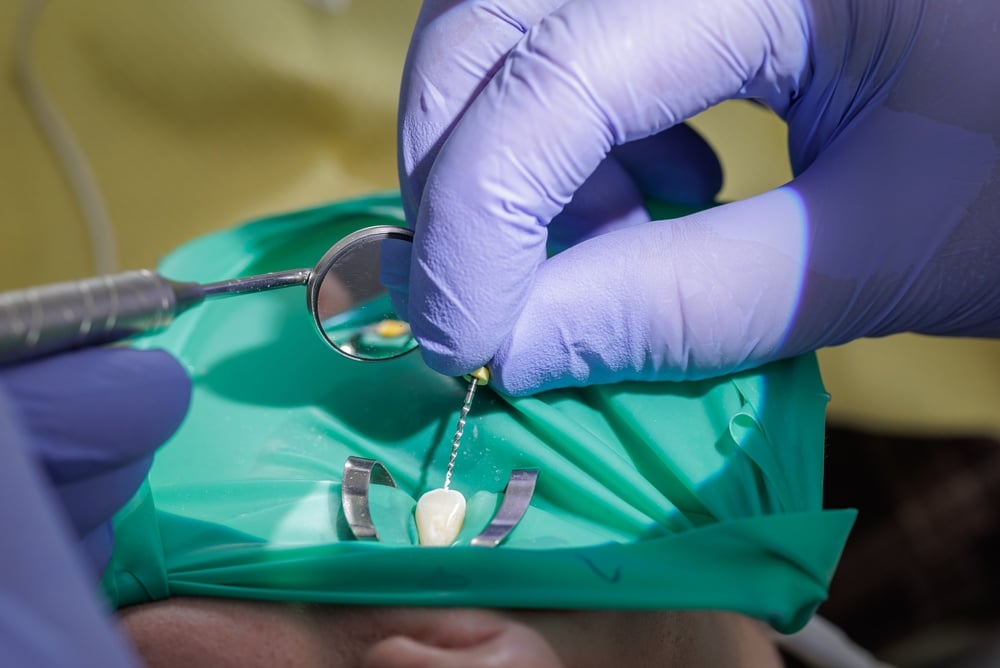
During a root canal procedure, the damaged or infected innermost layer of the tooth is carefully removed from the inside of the tooth, then thoroughly cleaned and disinfected before it’s filled and sealed. A root canal protects the tooth from further infection and keeps it functional and intact after treatment.
Root Canal Recovery: What to Expect
Root canal recovery is surprisingly easy, with most people returning to work or their usual routines the same day. Below are some additional things you can expect for root canal recovery:
Numbness
Because we use local anesthesia to numb the tooth and surrounding area, you can expect some numbness immediately following a root canal treatment. This will wear off throughout the day and won’t last long.
Pain and Discomfort
Some patients feel pain and discomfort within the first few days following a root canal. If you do have some pain, over-the-counter pain relievers can alleviate it. However, pain and discomfort vary, and most people experience minor pain or none at all.
Sensitivity
You may feel some sensitivity when eating or drinking following a root canal procedure, especially as the local anesthesia wears off. Sensitivity should subside within a few days and often resolves after a week or two when the tooth heals.
Swelling
You may experience minor swelling following a root canal procedure, which is common. An ice pack can reduce swelling, and be careful when eating by choosing soft foods that won’t irritate any swelling.
Below are some tips for a speedy root canal recovery:
- Avoid smoking
- Get plenty of rest so your body can heal
- Brush twice per day and floss daily, but be gentle near the treated area
- Chew on the opposite side if you’re feeling pain and discomfort
- Avoid hot beverages and hard/sticky foods
- Gargle warm salt water to protect your gums and ease swelling
Most patients recover quickly and easily after a root canal. However, if you experience significant pain and discomfort following a root canal, contact your family dentist.
Root Canal Therapy at Rhoades Family Dentistry
Rhoades Family Dentistry offers dental care for the entire family, including routine cleanings, preventive maintenance, fillings, root canal therapy, and more. Dr. Hahn and Dr. Driscoll care about your family’s oral health and are here to recommend the best oral hygiene practices for your entire family.
If you’re a patient who has dental fears surrounding a root canal, we have the following anxiety-reducing modalities available upon request:
- Nitrous oxide (“laughing gas”)
- An extensive list of entertainment media
- Oral sedatives to take before your appointment
- IV sedation for severe dental anxiety
Book an appointment today by scrolling up and clicking “BOOK AN APPOINTMENT” on the top left of your screen or by calling (913) 782-8900. We look forward to serving you with excellent dental care and helping your family achieve healthy smiles!