Perhaps one of the most feared terms heard in a dental office, root canals are surprisingly common and aren’t as bad as they seem. Though they’re associated with a lot of drilling and lengthy appointments, they’re necessary to remove infection and inflammation as the ligament at the base of the tooth grows inflamed or an abscess forms.
Sometimes a toothache caused by tooth decay, sensitivity, or bruxism can be mistaken for the pain from an infected pulp inside a tooth, which requires a root canal. Continue reading to learn the signs you need a root canal and the next steps.
What is a Root Canal?
Although teeth appear to be solid structures, they are made up of several distinct layers. The outermost layer—enamel—is a soft tissue at the center of the tooth that contains blood vessels, nerves, and connective tissue. The layers under the enamel—dentin and pulp—can become damaged by aggressive tooth decay, a crack or fracture, or trauma, allowing bacteria to enter the tooth and cause infection or inflammation of the pulp.
If left untreated, the infection in the pulp can worsen, causing persistent tooth pain, sensitivity, or an abscess. Luckily, the infected pulp can be removed, a procedure also known as a root canal. The procedure involves carefully extracting the pulp, cleaning and disinfecting the inside of the tooth, filling and sealing the empty canals, and finally placing a filling or crown to restore the tooth’s strength.
While a root canal sounds like a daunting procedure, it has advanced significantly throughout the years. With improved technology, it’s easier to clean and disinfect the tooth, alleviate pain, and better manage patient comfort throughout the procedure. Outdated techniques contributed to the fear of root canal procedures, but with modern technology they’re much quicker and less invasive.
Signs You Need a Root Canal
Wondering if that toothache you’re experiencing needs a root canal or just a filling? Below are some of the signs you may need a root canal:
Persistent Pain Surrounding the Tooth
While persistent pain can be caused by tooth decay that doesn’t require a root canal, if it continues to return, it may be one of the signs that you need a root canal. Ignoring a persistent toothache and failing to visit your family dentist can worsen the toothache, infection, or an abscess, damage the gums, and even result in tooth loss, depending on the cause. Sure, ignoring sensitivity from stimuli like iced, sugary drinks is often minor; ignoring persistent pain can be harmful to your oral health and further damage the pulp or worsen the infection.
Lingering Sensitivity
We’ve all experienced tooth sensitivity at some point, whether from drinking a sugary, icy treat or biting into a delicious, savory dessert. It’s a common dental issue, affecting over 40 million Americans. Whether dentinal or pulpal sensitivity, those sharp twinges of pain that cause us to wince can be the source of the toothache, especially if it’s a recurring pain. While tooth sensitivity is common, it’s not normal, and it shouldn’t be ignored, especially if the sensitivity lingers long after you’ve taken a bite or sip of the stimulus causing the sensitivity.
Painful Biting/Chewing
Sometimes biting and chewing can cause minor pain when you have tooth decay that requires a filling, but it can also be one of the signs you need a root canal. That’s because the tissues surrounding the root can be infected, causing pain each time you take a bite or chew something. If you find yourself avoiding chewing or biting near a certain area of your mouth, it’s time to contact your family dentist.
Swollen, Tender Gums
Swollen, tender gums can indicate many oral health concerns, such as gum disease, gingivitis, and hormonal changes, to name a few, but they can also be a sign you need a root canal. If your gums are persistently swollen and tender near a tooth that’s also sensitive, contact your family dentist for an exam.
Signs of an Abscess
If you’ve ever had a tooth abscess, you understand how painful it can make your gums and teeth. An abscess is an infection in or around a tooth that causes significant pain. Signs of an abscess can include: persistent throbbing, pain when chewing or biting, sensitivity to stimuli, bad breath, a foul taste from pus draining from the infection, a fever, among others. If you have an abscess, you may need a root canal if the infection is inside the pulp.
What to do if You Need a Root Canal
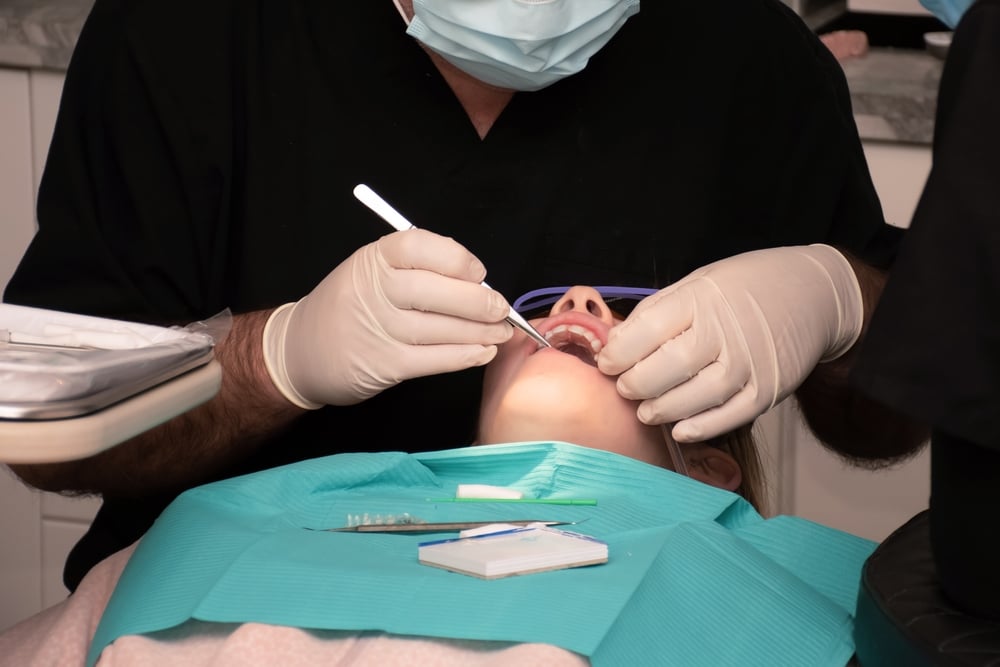
If you suspect you need a root canal, it’s best to contact your family dentist right away to schedule an exam. The dentist will examine your teeth and determine the cause of your pain, sensitivity, and swollen gums. If you do have an infection that requires a root canal, they’ll schedule the procedure and give you tips for managing pain until your appointment.
If your appointment is days away and you suspect you need a root canal, you can help alleviate pain with safe toothache remedies. While you want to avoid placing aspirin directly on the infected area and using undiluted essential oils, you can do any of the following, assuming you have clearance from your doctor:
- Warm saltwater rinses reduce inflammation
- Cold compresses on the outside of the cheek near the infected area
- Take over-the-counter pain relievers like acetaminophen or ibuprofen to alleviate pain until your appointment
As always, it’s best to seek advice from your family dentist to determine whether you can take over-the-counter pain relievers for pain management while you wait for your appointment. If you need to schedule an exam to determine whether you need a root canal, Rhoades Family Dentistry is here for all your dental needs.
Trust Rhoades Family Dentistry for Your Root Canal Procedure
Our team of professionals includes dentists and hygienists with extensive education and training, including Dr. Hahn and Dr. Driscoll. They’re members of the American Dental Association, the Academy of General Dentistry, and the International Association of Orthodontics, among many other organizations. They can examine your teeth and determine the cause and the best course of treatment, and perform a root canal procedure if needed.
Rhoades Family Dentistry offers dental care for the entire family, including routine cleanings, preventive maintenance, fillings, and more. Dr. Hahn and Dr. Driscoll care about your family’s oral health and are here to recommend the best oral hygiene practices for your entire family, including Invisalign and braces, cosmetic dentistry, dental implants, whitening, and more.
Book an appointment today by scrolling up and clicking “BOOK AN APPOINTMENT” on the top left of your screen or by calling (913) 782-8900. We look forward to serving you with excellent dental care and helping your family achieve healthy smiles!