We do everything we can to improve our dental hygiene and oral health, brushing at least twice daily, flossing regularly, using fluoride toothpaste, and getting bi-annual dental exams. Maintaining a healthy mouth and clean teeth and gums sets the pillar of health for your entire body, helping it fight off bacteria and dental issues like gum disease, bad breath, and bleeding gums.
One dental treatment you probably got as a child could also be beneficial as an adult: dental sealants. What exactly are dental sealants and do you need them? Keep reading to learn all about dental sealants and if getting them at your next dental exam is beneficial.
What is a Dental Sealant?
Dental sealants are protective coatings a dentist applies to your back teeth to seal the small grooves and crevices in the tooth to protect it from bacteria that cause cavities. The back teeth often trap food particles that can sit on the tooth and generate bacteria, eventually causing cavities. These sealants will protect the teeth so food can’t accumulate in the grooves of the back teeth. Dental sealants are made of tooth-colored or clear resin. They start as a thick liquid, which dries into a solid and adheres to the teeth.
Who Should Get Dental Sealants?
People of all ages can receive dental sealants to protect their back teeth, especially in children for cavity protection. Dental sealants are great for preventing cavities in children who still have baby teeth, helping to protect the teeth from cavities to avoid fillings. It’s also great for children to have dental sealants applied to their permanent teeth to prevent decay.
Dental sealants can also benefit adults. Those at a high risk of decay, whether from genetics or oral health concerns, can greatly benefit from them. Some adults suffer from dry mouths that can weaken enamel, and dental sealants can help protect enamel by acting as a tough barrier to protect teeth. They can also benefit those whose teeth are prone to decay, whether from medication or other oral health concerns.
Dental Sealant Application Process
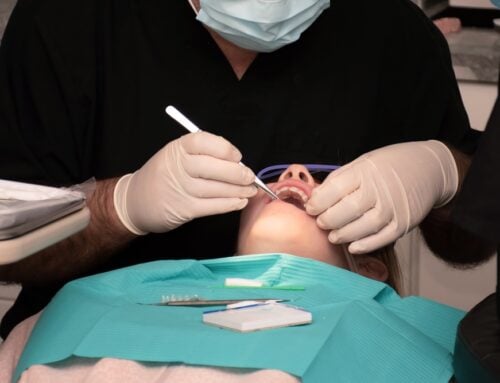
Getting dental sealants applied to the back teeth is a simple and quick process, taking just minutes to complete. Below is what you can expect during a dental sealant application:
1. Dental Exam
Before the dental sealant is applied to the teeth, a dentist will give you a thorough exam to ensure you’re a good candidate for the sealant. They’ll want to take dental x-rays to ensure your teeth don’t have an existing cavity; applying sealant to a tooth with a cavity is pointless and can cause harm to the tooth.
2. Thoroughly Clean the Teeth
Your teeth will be thoroughly cleaned before the sealant is applied to remove bacteria, plaque, tartar, and any other particles. The last thing you want is for bacteria to get sealed to the tooth, so it’s important to have them cleaned before the application.
3. Acid Solution Application
An acid solution will be applied before the sealant. This solution gives the sealant something to adhere to to ensure it sticks to the teeth. After the acid solution is applied to the teeth, it’ll be rinsed and dried before the dental sealant is applied.
4. Dental Sealant Application
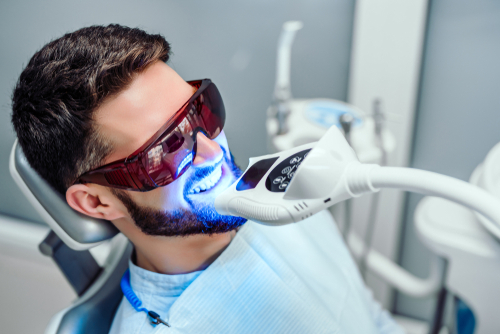
The dental sealant is then brushed onto the teeth and will adhere quickly. Depending on the sealant, a curing light might be necessary to ensure it’s fully bonded to the tooth. Once applied, no further treatment is required and you’re all set to go!
Dental Sealant FAQ
Q: Is the dental sealant application painful?
A: No, getting a dental sealant on your teeth is pain-free. The process takes just minutes and you’ll be in and out quickly. No numbing agents or injections are required for the application, making it easy and quick.
Q: Does insurance cover dental sealants?
A: It depends on the insurance provider and the dental plan. Some insurances will cover the entire cost of a dental sealant application while others may cover a portion or won’t cover it, requiring you to pay out of pocket. Most insurance companies will cover dental sealants for children or adults since it’s a preventative treatment. Check with your insurance provider or dental office to find out if dental sealants are covered by your specific plan.
Q: Are dental sealants toxic?
A: Some sealants may contain bisphenol A (BPA), a chemical in some plastics and resin materials. However, many modern dental sealants don’t contain BPA or have very little, well under the limit set by the U.S. Environmental Protection Agency. The benefits of applying a dental sealant outweigh the risks, especially for children who might develop cavities without the sealant.
Ready to Get a Dental Sealant on Your Teeth? Schedule an Appointment with Rhoades Family Dentistry Today!
Rhoades Family Dentistry would love to discuss the dental sealant application process and schedule an appointment for you. Dr. Hahn and Dr. Driscoll care about your oral health and go above and beyond to offer exceptional dental care and treatments for patients of all ages. Whether you’d like your children to get dental sealants, yourself, or are scheduling for an elderly family member, we’d be happy to schedule an appointment. The application process is simple and quick here at Rhoades Family Dentistry!
Book an appointment today by scrolling up and clicking “BOOK AN APPOINTMENT” on the top left of your screen or by calling (913) 782-8900. We look forward to serving you by providing excellent dental care and giving your family healthy smiles!