Have you ever felt that sharp tingle when you bite a cold apple, or ice cream, or sip a sugary drink? You can thank tooth sensitivity for that sharp feeling that makes you cringe when it touches your teeth. Tooth sensitivity is a common issue for many; over 40 million people in the United States have sensitive teeth. Some have minor symptoms that might be mistaken for another issue while some have more intense symptoms that require special care.
If you feel even the slightest discomfort when eating or drinking, continue reading to learn about tooth sensitivity, its causes, and some solutions so you can enjoy your favorite foods without the pain!
What is Tooth Sensitivity?
Picture this: you take a bite of your popsicle on a hot summer day only to be greeted with a mild twinge of pain. Or, you order your favorite holiday coffee with sugary additives, take that first sip, and immediately cringe at the discomfort you feel in your teeth. These feelings are thanks to tooth sensitivity, also known as dentin hypersensitivity, a condition where certain foods and drinks whether hot or cold, acidic, or sweet irritate your teeth.
According to the National Institute of Health over 12% of Americans experience tooth sensitivity. While research has shown it can affect anyone, women and people aged 18-44 experience it more than men or those older.
What Causes Tooth Sensitivity
So what causes that awful cold and hot sensitivity? To understand why your teeth feel certain stimuli, we’ll explain the four layers of teeth and what’s happening as you experience those twinges of pain. From the innermost to the outermost layer, the first layer of teeth is the pulp which houses blood vessels, tissue, and nerves. Next is the cementum which connects the tooth to the jawbone. The third layer is dentin, a soft layer containing tubules that stimulate nerves inside the pulp. Last is the enamel, the tough layer that protects the inners of the tooth.
Over time, enamel wears down as we age. Foods, drinks, and natural wear and tear throughout the years cause the enamel to weaken, exposing the dentin, to soft layers containing tubules. Every time you eat or drink something cold, hot, or sweet, those tubules carry the stimuli to the nerves, giving you those twinge-worthy sharp pains. Along with weakened enamel, other factors contribute to tooth sensitivity:
Clenching & Grinding
One of the most common reasons people experience tooth sensitivity is from clenching and grinding. When you clench or grind your teeth the enamel wears down, exposing dentin and other layers over time.
Aggressive Brushing
Remember as a kid your parent or guardian would tell you not to brush so hard while overseeing your brushing habits? That’s because aggressive brushing, while in theory sounds like it’s best for getting rid of plaque and tartar, wears down the tooth’s enamel. Not only does aggressive brushing lead to tooth sensitivity but it can also cause periodontal disease.
Receding Gums
Gumlines lose tissue over time, exposing the dentin and making it easy for stimuli to aggravate your nerves. Though receding gums can be genetic or caused by aggressive brushing and smoking, gum disease also causes receding gums.
Periodontal Disease
Everyone is at risk of developing periodontal disease whether they have a family history or not. Everyday plaque can turn into tartar causing periodontal or gum disease. Periodontal disease can expose the roots, causing extreme sensitivity when drinking or eating warm, cold, or sweet beverages and foods.
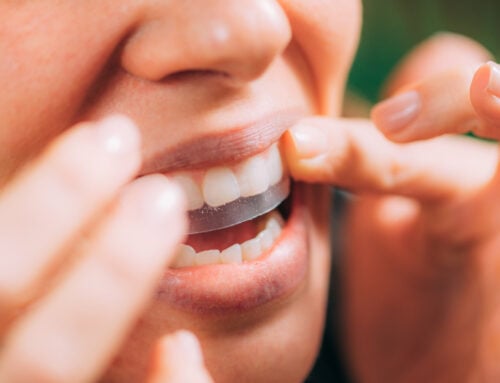
Teeth Whitening Strips/Gels
Some of those cheaper, over-the-counter teeth whitening strips, gels, and pens can damage the enamel, causing tooth sensitivity and other dental problems. Before using a dental whitening product, consult your dentist for safer options.
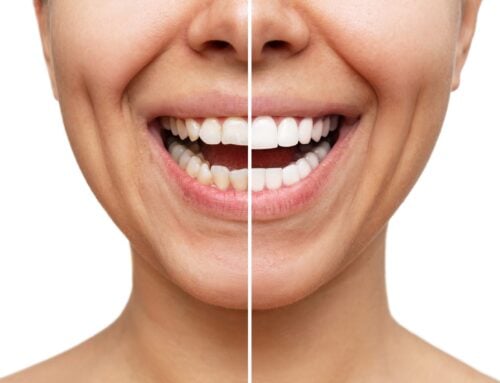
Rhoades Family Dentistry offers an anti-sensitivity whitening treatment safe for enamel and gum tissue. We can make custom trays to customize teeth whitening treatments resulting in a brighter smile with zero sensitivity and damage!
Tooth Sensitivity Solutions
If you’re combating cold and hot sensitivity when eating or drinking, you’ll be happy to hear about some sensitive teeth treatments including tooth sensitivity solutions and products. Below are some tooth sensitivity solutions and dental sensitivity prevention:
- Brush & floss often to remove plaque.
- Keep up with routine dental exams to professionally clean your teeth and address any tooth sensitivity causes and tooth sensitivity solutions.
- Opt for a softer-bristled toothbrush to protect your enamel and gumline.
- Use a fluoride mouthwash to strengthen enamel.
- Switch to a desensitizing toothpaste that can help with tooth sensitivity symptoms.
Our team at Rhodes Family Dentistry would love to help you with sensitive teeth treatment. We will suggest desensitizing toothpaste, recommend other tooth sensitivity solutions, and professionally clean your teeth to protect your enamel and dentin.
If you need dental care for the entire family, Rhoades Family Dentistry would love to be your family dentist! We’re family-owned and operated with a team of dedicated professionals who are members of the American Dental Association, American Association of Pediatric Dentistry, and many other dental associations. Our staff has undergone extensive training to provide all our patients with the best dental care.
Book an appointment today by scrolling up and clicking “BOOK AN APPOINTMENT” on the top left of your screen or by calling (913) 782-8900. We look forward to serving you by providing excellent dental care and giving your family healthy smiles!