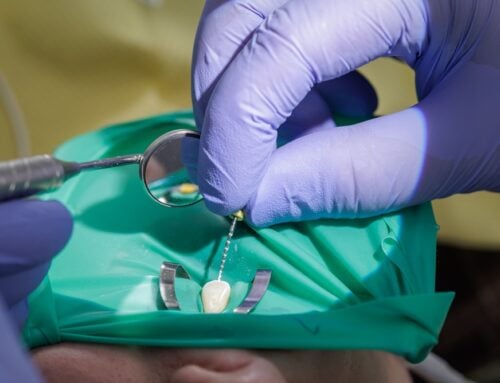
Getting a tooth extracted doesn’t sound like an ideal way to spend your time, but unfortunately, sometimes it’s necessary. Whether you’re having wisdom teeth removed, dealing with extensive tooth decay, or making room for future orthodontic treatments, recovery is just as important a step in the process as the actual procedure.
Following proper tooth extraction aftercare instructions is crucial to protect the extraction site, reduce discomfort, and speed up healing. While each patient heals differently, adults and teens can take several steps to support their healing journey. Here’s what you should know after having a tooth removed.
Protect the Blood Clot
Immediately after a tooth extraction, bleeding begins and can continue for up to an hour. Your dentist will have you bite down on sterile gauze pads for a while to slow the bleeding and help a blood clot form.
After the platelets in your blood form a sticky clot, you won’t need to apply pressure with gauze, but you will need to protect the blood clot. Not protecting the blood clot after an extraction could result in a dry socket, a very painful condition when the nerves and bones are exposed, delaying the healing process. Protect it by avoiding the following:
- Avoid using straws
- Don’t spit or swish
- No smoking/vaping
- Avoid strenuous exercise
You’ll need to be mindful of protecting the blood clot for a few days, ensuring you don’t irritate it.
Eat Soft Foods
Another great way to protect the blood clot that forms at the extraction site(s) is to eat soft foods that don’t require much chewing, for at least a few days after your procedure. Some great soft foods include any of the following:
- Applesauce
- Soft pastas
- Lukewarm broth and soup
- Yogurt
- Pudding
- Mashed potatoes
- Scrambled eggs
Avoid hard, sticky, and crunchy foods like chips, bread, candies, and apples for at least a few days. If possible, chew these soft foods on the opposite side of the extraction site to avoid food getting trapped. You may resume your healthy diet once you’re fully healed.
Manage Swelling & Discomfort
Tenderness, discomfort, and swelling after a tooth extraction are common, often occurring hours or days after the procedure. Discomfort and swelling depend on the procedure’s complexity, the location of the tooth, and your individual healing process. Though they’re common, you can make recovery more comfortable by managing swelling and discomfort.
Applying a cold compress or ice pack to the outside of your cheek with a cloth barrier will reduce swelling and discomfort. Apply the ice every 15-20 minutes to reduce swelling, taking breaks in between applications.
Over-the-counter pain relief medicines can also help with pain and discomfort. Depending on how many teeth you had extracted, your dentist may prescribe antibiotics/pain medications; take them in accordance with your dentist’s instructions and age-appropriate dosing recommendations.
Take it Easy
While it’s tempting to jump right back into your busy life, take it easy for a day or two following a tooth extraction. As with any healing journey, rest supports a smooth recovery and helps your body to recover faster. Adjust your schedule to allow for some rest, especially if you have a physically demanding job.
Taking it easy should include getting enough sleep so your body can recover faster. The more time you give your body to rest, the faster your recovery, and the sooner you can return to your regular activities without unnecessary discomfort.
Go to Your Follow-Up Appointments
Unfortunately, some people will skip follow-up appointments, especially if they feel back to normal and suspect nothing is wrong. However, they’re an important step in any recovery process. Your dentist schedules follow-up appointments after an extraction to make sure everything is healing properly and to address any concerns before they become bigger problems.
Tooth extraction aftercare is just as important as the procedure itself. By following these tips, you’re likely to recover more quickly and have less discomfort and complications.
How Long Does It Take to Recover from a Tooth Extraction?
Recovery times depend on each patient’s overall health, tooth extraction aftercare, and the complexity of the procedure. While a simple extraction may involve relatively minimal downtime, surgical extractions, including extracting impacted wisdom teeth, can require a longer recovery time.
If you’re interested in learning more about wisdom tooth removal, our article What is the Deal With Wisdom Teeth? explains why these teeth sometimes need to be removed and what patients can expect from the procedure.
Ultimately, following your dentist’s recommendations is the best way to support proper healing. Don’t rush back into your normal routine if you’re still experiencing discomfort, and attend any recommended follow-up appointments.
Recover Comfortably With Help From Rhoades Family Dentistry
Whether you or a loved one is preparing for an upcoming extraction or you’re helping a child/teen recover after having a tooth removed, understanding proper tooth extraction aftercare can make a big difference. Protecting the blood clot, choosing the right foods, managing discomfort, and attending your follow-up appointments all contribute to a smoother recovery.
At Rhoades Family Dentistry, we’re committed to helping patients of all ages feel comfortable and confident throughout their dental care, including tooth extraction aftercare. If you have any questions about an upcoming extraction, are experiencing unexpected symptoms during recovery, or need guidance on your next steps, our team is here to help. Contact Rhoades Family Dentistry today to schedule an appointment or speak with our friendly team.