We only get two sets of teeth in a lifetime: deciduous and primary. Deciduous teeth are the ones we get during infancy and toddlerhood, and permanent teeth are the ones that grow in after we lose our baby teeth. Once our permanent adult teeth grow in, we don’t get another set of teeth that pushes the primary ones out; we have 32 primary teeth, including 8 incisors, 4 canines, premolars, and molars.
Since we don’t get another set of teeth once our permanent ones grow in, taking pristine care of them is paramount to prevent tooth decay, AKA cavities. Tooth decay is an incredibly common oral health condition, affecting billions of people each year. At Rhoades Family Dentistry, one of our most common FAQs is whether tooth decay can be reversed. Continue reading to learn if tooth decay can be reversed and what you need to know.
What is Tooth Decay?
Before we discuss whether tooth decay can be reversed, it’s helpful to understand what tooth decay is and why it plays such an important role in oral health. Tooth decay is when the hard outer layer of the tooth—enamel— gets damaged and the enamel’s surface starts to dissolve and erode. As the enamel wears down, the tooth can form holes and hollow spaces, AKA cavities. Cavities start as tiny holes in the enamel that grow into larger holes as more enamel and the inner layers of the tooth become damaged. As the decay worsens, the tooth will become sensitive, causing those sharp twinges of pain.
If left untreated, tooth decay will continue to spread deeper into the tooth’s innermost layers, causing increased sensitivity, significant pain, infection, or abscess formation. In severe cases, extensive decay may necessitate tooth extraction. If you suspect you have tooth decay, it’s best to visit your family dentist for an examination so they can evaluate your tooth and develop an appropriate treatment plan tailored to your needs.
Can Tooth Decay be Reversed?
At Rhoades Family Dentistry, we’re often asked: “Can tooth decay be reversed?” While there are many layers to the long answer, the short answer is sometimes. In most cases, tooth decay is advanced, and a cavity has already formed. Cavities cannot be reversed once they’ve formed and require professional dental treatment to remove the decay and place a dental filling.
Whether or not tooth decay can be reversed depends on the stage: demineralization, enamel decay, dentin decay, pulp infection, dental abscess, and tooth loss. Demineralization is when the enamel starts to form those white spots that signify decay, while enamel decay is when most cavities start to form when the enamel develops a hole. Dentin decay is when the cavity has reached the dentin, a softer inner layer of the tooth that causes toothaches. Pulp infections occur when the innermost layer of the tooth swells and often require a root canal, while a dental abscess is an infection from tooth decay that requires immediate dental treatment to stop the spread of infection. If tooth decay goes untreated and results in a dental abscess, the tooth may need to be extracted.
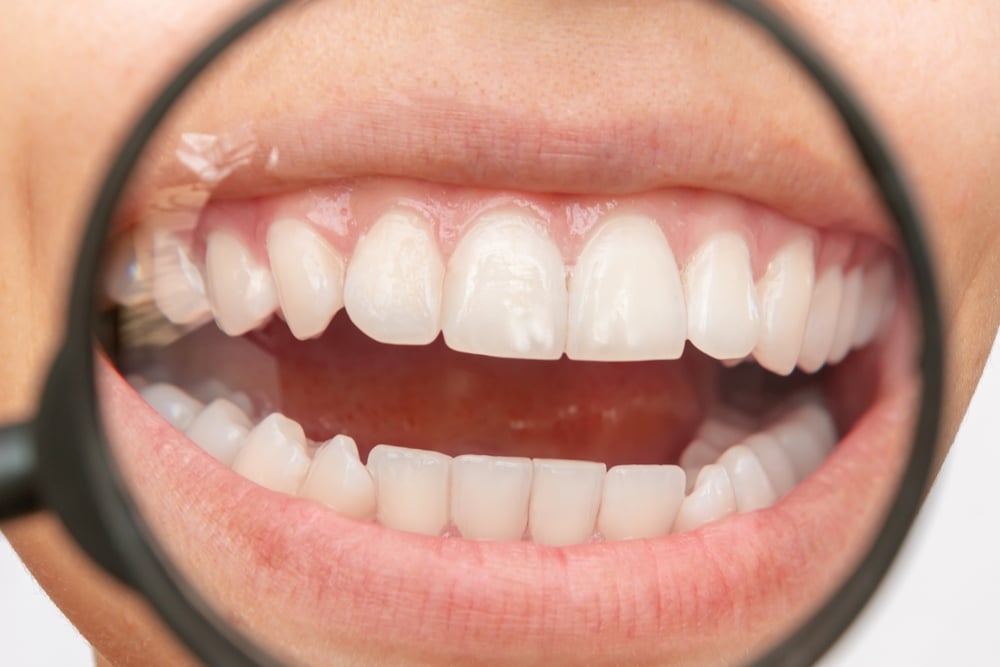
Now, for the longer answer, if the tooth decay hasn’t formed a cavity, it may be reversed if the patient’s tooth can be remineralized. When enamel starts to break down, it looks like a white spot on the surface of the tooth; if this white spot doesn’t have a cavity, it’s possible to remineralize the tooth.
Tips for Caring for Tooth Decay
While tooth decay can’t be reversed once it forms a tiny hole in the enamel, it’s possible to remineralize the tooth before it forms a hole/cavity. Below are some tips for caring for tooth decay to hopefully strengthen tooth enamel and prevent a cavity and infection:
- Choose a toothpaste with fluoride to strengthen the enamel
- Limit foods and beverages that are acidic and high in sugar
- Focus on a balanced, healthy diet that provides essential vitamins and nutrients
- Stay hydrated
- Be cautious with teeth whitening products, as they may be abrasive and wear down enamel
- Implement daily flossing
- Visit your dentist regularly for preventative exams and cleanings
Though the body doesn’t regenerate enamel once it’s worn down, following the tips above will help strengthen it and avoid further weakening. Therefore, the earliest stage of tooth decay may be reversed if caught early enough.
Trust Rhoades Family Dentistry with Your Family’s Oral Health Care
Rhoades Family Dentistry’s team of professionals includes dentists and hygienists who have extensive education and training. Dr. Hahn and Dr. Driscoll are members of the American Dental Association, the Academy of General Dentistry, and the International Association of Orthodontics, among many other organizations. They can examine tooth decay and determine the best course of treatment to prevent infection.
Rhoades Family Dentistry offers dental care for the entire family, including routine cleanings, preventative maintenance, fillings, and more. Dr. Hahn and Dr. Driscoll care about your family’s oral health and are here to recommend the best oral hygiene practices for your entire family, including Invisalign and braces, cosmetic dentistry, dental implants, whitening, and more.
Book an appointment today by scrolling up and clicking “BOOK AN APPOINTMENT” on the top left of your screen or by calling (913) 782-8900. We look forward to serving you with excellent dental care and helping your family achieve healthy smiles!