Why Do My Teeth Hurt When I Eat Sweets?
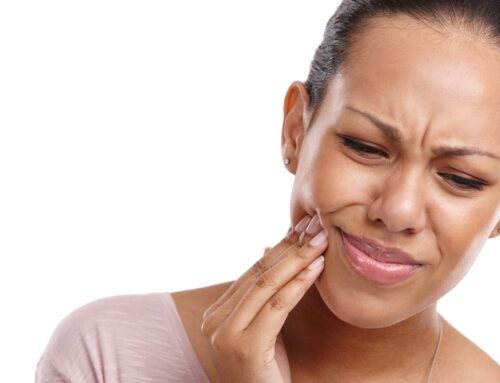
Summertime sweets surround us at nearly every seasonal event, whether a holiday barbecue, birthday, pool party, or neighborhood block party. From sweet fruits to popsicles, cakes, sodas, ice cream, and everything in between, there seems to be a sweet treat within reach at every summertime event. Have you taken a bite or sip of something sweet only to feel a twinge of pain as it touches your teeth? If so, you’re experiencing sugar sensitivity.
Though sugar-sensitive teeth are a common dental issue, they can sometimes be a warning sign of underlying dental problems. Continue reading to learn why you have tooth pain when eating sweets to determine whether it’s nothing to be worried about or a cause for concern that requires a trip to the dentist.
Sugar & Tooth Sensitivity
Enjoying those sugary lattes or nightly ice cream runs but hate when they touch your teeth? If you experience tooth pain when eating sweets, you’re not alone. According to the National Institute of Health, over 12% of Americans experience tooth sensitivity, including sugar sensitivity. While research has shown it can affect anyone, women and people aged 18-44 experience it more than men or older adults.
There are two types of tooth sensitivity people can experience: dentinal and pulpal sensitivity. Dentinal sensitivity involves the dentin, the middle layer of a tooth. If the enamel or cementum wears away, the tooth’s dentin is exposed, causing sensitivity. Pulpal sensitivity is a reaction from the tooth’s pulp, the center of the tooth, comprised of blood vessels and connective tissue. It can cause extreme sensitivity, often caused by tooth decay or broken or cracked teeth.
Sugar and Tooth Decay
Many people experience tooth pain when eating sweets, especially since sugary foods are a regular part of the American diet. According to the U.S. Department of Agriculture, Americans consume over 34 teaspoons of sugar daily and average more than 100 pounds of sugar in a calendar year! Whether that sugar comes from fresh fruit, desserts, sodas, or seasonal treats you enjoy during the holidays, it’s nearly impossible to avoid sugar.
Sugar itself isn’t what damages your teeth. The real problem begins after you eat it, when the bacteria that live inside your mouth feed on these sugars and produce acids as a byproduct. There are naturally hundreds of bacteria found in a human mouth; some bacteria are actually beneficial and help you maintain oral health, while some harm your mouth, weakening your enamel and causing cavities. Unfortunately, enamel can’t be regenerated, ultimately exposing the other layers of the tooth to cavities, gum disease, and tooth sensitivity.
If you only experience sensitivity when consuming sugary foods and beverages, you’re likely experiencing temporary discomfort that goes away a bit after enjoying sugary treats. Though it’s not an immediate cause for concern, sugar sensitivity can indicate you have exposed dentin, early cavities, or weakened enamel. However, if you have pain that lingers or hurts when you’re biting down on those sweets, it can be an indication you have pulpal sensitivity or a significant cavity that requires prompt dental care.
Oral Health Tips to Prevent Sugar Sensitivity
If you’re experiencing tooth pain when eating sweets, it’s likely time to take a few steps to limit that sugar sensitivity. Below are a few oral health tips to prevent sugar sensitivity:
Limit Sugar
While skipping your daily pick-me-up sugary latte sounds terrible, limiting your sugar intake can protect your teeth. Exposing your teeth to sugar less often will help keep the acids that bacteria break down at bay, protecting your enamel and helping prevent cavities. Don’t eliminate your sugar intake; opt for your favorite sugary treats in moderation rather than consuming them daily.
Choose Healthier Sweet Treats
Did you know that not all sweets affect your teeth the same way? While all sweet treats contain sugar, some have less sugar and are gentler on your teeth than others. Choosing a healthier sweet treat could be opting for fresh fruit and dark chocolate rather than ice cream or a candy bar. Foods with less sugar help stimulate saliva production, which helps wash away food particles and bacteria.
Stay Hydrated
Whether you choose to limit sugar or not, drinking plenty of water can help counteract sugar consumption. Water helps with saliva production and preventing dry mouth, both crucial for washing away acids and sugars that can remain on the teeth from sticky treats or hard candies. Staying hydrated will help remove some of those yucky bacteria that cause cavities.
Wait Before Brushing After Sugary Treats
In theory, brushing your teeth right after eating sugary treats sounds like a great idea, but it’s actually best to wait. Acids and bacteria in sugary foods can cling to teeth, and brushing too soon after eating them can spread them further. Instead of brushing right away, drink water to flush harmful bacteria, then brush 30-60 minutes later.
Stay Current with Dental Cleanings
Brushing twice a day and flossing daily are the foundation of a healthy smile, but they aren’t the only steps needed to protect your teeth from sugary foods. Visiting your family dentist for a professional cleaning every six months helps remove plaque, tartar, and bacteria from areas that are difficult to clean at home. Those routine appointments can lower your risk of cavities, strengthen your overall oral health, and help minimize tooth pain when eating sweets.
Trust Rhoades Family Dentistry with Your Oral Health
Our team of professionals includes dentists and hygienists with extensive education and training, including Dr. Hahn and Dr. Driscoll. They’re members of the American Dental Association, the Academy of General Dentistry, and the International Association of Orthodontics, among many other organizations. They can examine your teeth and help with your tooth pain when eating sweets.
Rhoades Family Dentistry offers dental care for the entire family, including routine cleanings, preventive maintenance, fillings, and more. Dr. Hahn and Dr. Driscoll care about your family’s oral health and are here to recommend the best oral hygiene practices for your entire family, including Invisalign and braces, cosmetic dentistry, dental implants, whitening, and more.
Book an appointment today by scrolling up and clicking “BOOK AN APPOINTMENT” on the top left of your screen or by calling (913) 782-8900. We look forward to serving you with excellent dental care and helping your family achieve healthy smiles!